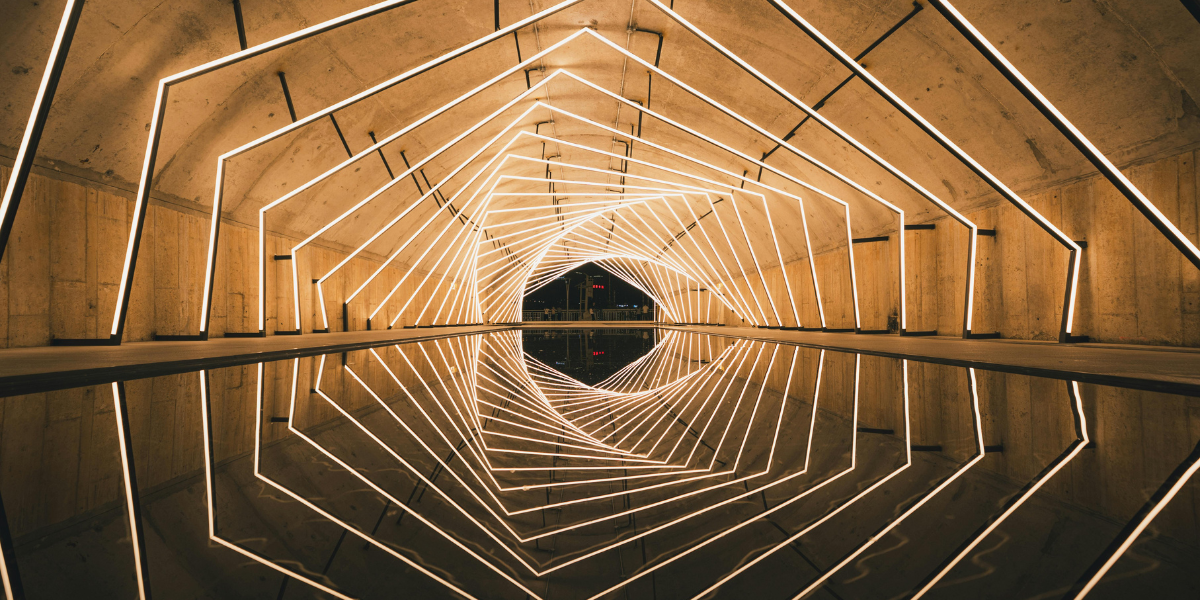
Lighting plays a critical role in how commercial spaces function and how customers perceive a business. Whether it’s a retail store, office building, hotel, restaurant, or outdoor commercial property, proper lighting improves safety, enhances appearance, and increases usability.
However, choosing the right provider for commercial lighting installation requires careful planning. A poorly designed lighting system can lead to higher energy costs, maintenance issues, and spaces that feel uncomfortable or uninviting.
If you’re considering upgrading or installing lighting for a commercial property, here are five important factors to keep in mind before making your decision.
1. Understand the Purpose of Your Lighting
The first step in selecting commercial lighting installation is understanding the purpose of the lighting in your space. Different commercial environments require different lighting solutions.
For example:
- Retail stores need lighting that highlights products and attracts customers.
- Office spaces require comfortable, glare-free lighting to improve productivity.
- Restaurants aim for warm lighting that creates a welcoming atmosphere.
- Parking lots and walkways need bright, uniform lighting for safety and security.
A professional lighting provider evaluates how each area will be used and designs lighting accordingly. Installing the same lighting everywhere may seem easier, but it often leads to inefficient results.
A proper lighting plan ensures functionality while enhancing the experience for employees, customers, and visitors.
2. Energy Efficiency and Long-Term Savings
Lighting accounts for a significant portion of energy consumption in commercial properties. Choosing energy-efficient solutions is crucial for reducing operational costs.
Modern commercial lighting installations typically rely on LED technology, which offers several benefits:
- Lower energy consumption
- Longer lifespan compared to traditional bulbs
- Reduced maintenance costs
- Better brightness control
- Lower heat emission
An experienced lighting installer will recommend solutions that reduce electricity usage while maintaining excellent illumination.
Energy-efficient systems also contribute to sustainability goals, which is increasingly important for businesses seeking environmentally friendly practices.
Although efficient lighting systems may cost more upfront, they usually provide long-term savings through lower utility bills and fewer replacements.
3. Safety and Compliance Requirements
Commercial properties must meet various lighting and electrical safety standards. Improper lighting installation can create hazards or lead to compliance issues.
Key safety considerations include:
- Adequate emergency lighting
- Proper exit signage illumination
- Parking lot and pathway lighting
- Electrical safety compliance
- Uniform lighting distribution to prevent dark areas
Professional commercial lighting installation companies understand local codes and safety requirements. They ensure lighting systems meet regulations and protect building occupants.
Well-lit commercial spaces also reduce accident risks, improve visibility, and discourage criminal activity.
Safety lighting is not just about compliance—it protects employees, customers, and property.
4. Professional Design and Installation Expertise
Lighting installation involves more than placing fixtures and running wires. Professional design ensures lighting enhances the space rather than overwhelming or under-lighting it.
Expert installers consider:
- Fixture placement
- Light angles and intensity
- Color temperature
- Shadow reduction
- Architectural features
- Landscaping or exterior elements
Poor lighting placement can cause glare, uneven brightness, or dark spots that negatively impact both appearance and usability.
Professional installers also ensure wiring is concealed, equipment is protected, and systems are durable in various weather conditions for outdoor applications.
Companies likeBrite Nites provide commercial lighting solutions tailored to each property’s unique needs, ensuring reliable performance and visually appealing results.
5. Maintenance and Support Services
Lighting systems require maintenance over time, even when high-quality fixtures are used. Bulbs may fail, fixtures can become damaged, or adjustments might be needed as businesses grow or spaces change.
When choosing a commercial lighting installation provider, ask about:
- Maintenance services
- Warranty coverage
- Repair response times
- Replacement parts availability
- Ongoing support options
Working with a provider that offers maintenance ensures your lighting continues to perform efficiently without disrupting business operations.
Having reliable support also prevents long periods of poor lighting that could negatively impact customer experiences.
Additional Considerations for Commercial Lighting
Beyond the main factors, business owners should also consider additional elements that influence lighting success.
Customization Options
Each business has unique branding and aesthetic goals. Lighting can reinforce brand identity through color choices and design styles.
Smart Lighting Controls
Modern systems can include automation, timers, motion sensors, and remote controls, helping businesses manage lighting efficiently.
Scalability
Businesses grow and evolve. Lighting systems should allow expansion or reconfiguration without requiring complete replacement.
Outdoor Lighting Needs
Exterior lighting is equally important for customer experience and safety. Proper outdoor lighting improves nighttime visibility, enhances curb appeal, and increases security.
Why Professional Installation Matters
Some business owners attempt DIY lighting upgrades or hire general contractors without specialized lighting expertise. However, professional lighting installers deliver advantages such as:
- Optimized energy use
- Attractive lighting design
- Proper fixture placement
- Long-lasting installations
- Compliance with regulations
- Reduced maintenance issues
Professional installation ensures lighting works effectively while enhancing the property’s overall look.
Investing in Commercial Lighting: Key Benefits and Next StepsFinal Thoughts
Investing in commercial lighting installation is about more than brightness—it’s about creating functional, welcoming, and efficient environments for employees and customers alike.
When choosing a provider, remember to consider:
- Purpose and functionality of lighting
- Energy efficiency and cost savings
- Safety and compliance standards
- Professional design expertise
- Maintenance and long-term support
The right lighting system improves productivity, customer experience, safety, and operational efficiency, making it a smart long-term investment for any business.
With thoughtful planning and professional execution, commercial lighting can transform both indoor and outdoor business spaces.
FAQs About Commercial Lighting Installation
1. How long does commercial lighting installation typically take?
Installation timelines vary depending on project size, but most projects range from a few days to several weeks.
2. Can commercial lighting help reduce energy costs?
Yes. Modern LED systems significantly lower energy consumption compared to older lighting technologies.
3. Do lighting systems require regular maintenance?
Yes. Routine maintenance ensures fixtures continue working efficiently and safely over time.
4. Can lighting systems be upgraded without replacing everything?
Often, yes. Many systems allow upgrades or expansions without complete replacement.
5. Is outdoor lighting included in commercial lighting installation?
Yes. Many providers install both interior and exterior lighting solutions for safety, aesthetics, and functionality.