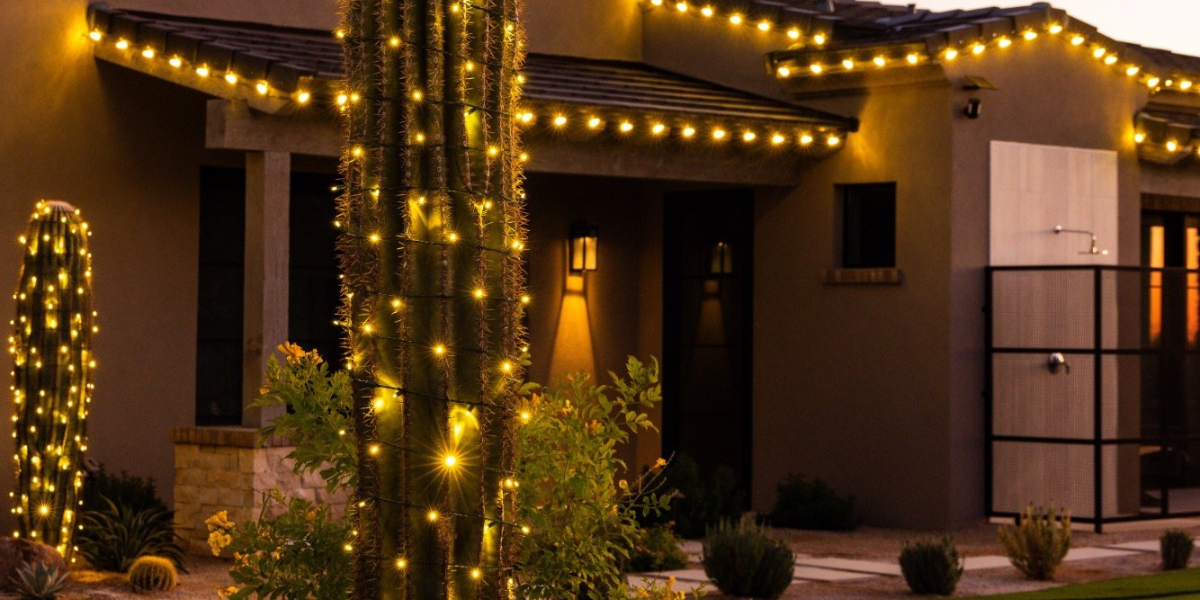
A well-designed outdoor lighting landscaping setup can completely transform your home’s exterior. Beyond improving curb appeal, proper landscape lighting enhances safety, extends outdoor living spaces, and creates a welcoming environment for family and guests.
However, simply adding a few lights around the yard rarely delivers the desired effect. Effective planning is key to achieving a balanced, functional, and visually stunning lighting design.
In this guide, we’ll walk through how to plan the perfect outdoor lighting landscaping setup, from defining goals to selecting fixtures and placement strategies.
Start with a Lighting Goal
Before installing lights, determine what you want to accomplish. Outdoor lighting landscaping generally serves three primary purposes:
1. Safety and Security
Lighting helps prevent accidents by illuminating pathways, steps, driveways, and entry points. It also discourages unwanted activity by eliminating dark hiding spots.
2. Aesthetic Enhancement
Landscape lighting highlights architectural details, gardens, trees, water features, and other outdoor elements that make your home unique.
3. Functional Outdoor Living
Lighting extends usability of patios, decks, pools, and seating areas into the evening.
Understanding your main objective helps guide fixture selection and placement.
Evaluate Your Outdoor Space
Walk around your property at dusk or nighttime to identify areas needing light. Pay attention to:
- Dark walkways and entry points
- Outdoor gathering spaces
- Garden beds and trees
- Driveways and garage areas
- Architectural features
- Water features or decorative elements
Take notes or photos to map out where lighting will make the biggest difference.
Layer Your Lighting Design
Professional outdoor lighting landscaping uses layered lighting, similar to interior lighting design.
Ambient Lighting
Provides overall illumination for general visibility. Examples include:
- Path lights
- Deck lighting
- Post lights
- Soft flood lighting
Task Lighting
Used in areas where activities occur, such as:
- Outdoor kitchens
- Grill stations
- Steps and pathways
- Pool areas
Accent Lighting
Highlights focal points and adds drama, including:
- Tree uplighting
- Garden spotlighting
- Wall washing
- Sculpture illumination
Combining these layers prevents overly bright or overly dark spaces.
Highlight Key Landscape Features
Your landscape likely includes standout features worth showcasing at night.
Trees and Shrubs
Use uplighting at the base of trees to emphasize height and texture. Larger trees benefit from multiple light sources.
Gardens and Flower Beds
Soft lighting enhances color and depth while preserving a natural look.
Water Features
Ponds, fountains, and waterfalls look stunning when illuminated from below or behind flowing water.
Architectural Details
Highlight columns, stonework, or unique building textures to add character.
Avoid lighting everything equally—contrast creates visual interest.
Illuminate Walkways and Entrances
Path and entry lighting is essential for both safety and aesthetics.
Best practices include:
- Placing lights evenly along walkways
- Avoiding overly bright lights that cause glare
- Lighting steps and level changes
- Illuminating entry doors and garages
Soft, warm lighting improves visibility while maintaining a welcoming feel.
Choose the Right Lighting Fixtures
Different areas require different fixtures. Common options include:
Path Lights
Perfect for sidewalks and garden borders.
Spotlights and Floodlights
Ideal for highlighting trees, architecture, or large spaces.
Well Lights
Installed flush with the ground to create subtle upward lighting.
Deck and Step Lights
Improve safety while adding ambiance.
String or Bistro Lights
Great for patios and entertaining spaces.
Choosing durable, weather-resistant fixtures ensures long-term performance.
Use Energy-Efficient Lighting Solutions
Modern outdoor lighting landscaping setups often use LED fixtures, which provide several benefits:
- Lower energy consumption
- Long lifespan
- Reduced maintenance
- Consistent brightness
- Environmentally friendly operation
Smart lighting controls, timers, and motion sensors also help conserve energy while improving convenience.
Plan Proper Light Placement
Placement is just as important as fixture selection.
Avoid Overlighting
Too much light can create glare and wash out landscape details.
Control Light Direction
Aim lights downward or toward focal points, not into neighbors’ windows or the street.
Minimize Shadows
Balance light placement to avoid harsh shadows or dark pockets.
Hide Fixtures When Possible
Conceal fixtures behind plants or structures so the focus remains on illuminated features, not the lights themselves.
Professional planning ensures subtle, elegant results.
Consider Seasonal Changes
Your landscape changes throughout the year, so lighting should remain effective year-round.
Keep in mind:
- Tree foliage density changes
- Plants grow and may block fixtures
- Seasonal décor and outdoor use vary
- Snow and weather conditions affect lighting appearance
Adjustable fixtures and periodic maintenance help maintain consistent lighting quality.
Install Lighting Controls and Automation
Automation adds flexibility and convenience to your outdoor lighting landscaping setup.
Popular options include:
- Timers for automatic on/off schedules
- Motion sensors for security areas
- Smart home integration
- Mobile app controls
- Dimming controls
These systems allow homeowners to customize lighting while reducing energy waste.
Plan for Professional Installation
Although DIY lighting kits exist, professional installation often produces better long-term results. Proper wiring, fixture placement, and electrical safety considerations are essential for durability and performance.
A professional designer can create a cohesive lighting layout tailored to your property’s layout and style. Companies like Brite Nites specialize in creating customized outdoor lighting plans that enhance both beauty and functionality.
Maintain Your Lighting System
After installation, routine maintenance keeps lighting systems working properly.
Maintenance tips include:
- Cleaning fixtures regularly
- Replacing damaged fixtures or wiring
- Adjusting lights after landscaping changes
- Checking timers and control settings
- Trimming plants blocking lights
Regular upkeep ensures your investment continues to deliver stunning nighttime results.
Conclusion
A thoughtfully designed outdoor lighting landscaping setup transforms your home after sunset. By combining safety, aesthetics, and functionality, homeowners can enjoy outdoor spaces long into the evening while increasing property appeal.
With proper planning, layered lighting, quality fixtures, and smart controls, you can create a beautifully illuminated landscape that enhances your home’s value and enjoyment year-round.
Key Takeaways for Outdoor Lighting Landscaping SetupFAQs
1. How many lights do I need for outdoor lighting landscaping?
The number depends on property size, layout, and goals. Focus first on pathways, entry points, and focal features before expanding to decorative lighting.
2. What color temperature works best for landscape lighting?
Warm white lighting (2700K–3000K) is typically preferred for outdoor spaces because it creates a welcoming and natural appearance.
3. Is LED lighting better for outdoor landscaping?
Yes. LED lights consume less energy, last longer, and require less maintenance compared to traditional bulbs.
4. Can outdoor lighting increase home value?
Well-designed lighting improves curb appeal, safety, and usability, which can positively influence property value.
5. How often should outdoor lighting systems be maintained?
Basic inspection and cleaning should occur at least once or twice per year, with adjustments made as landscaping grows or seasons change.