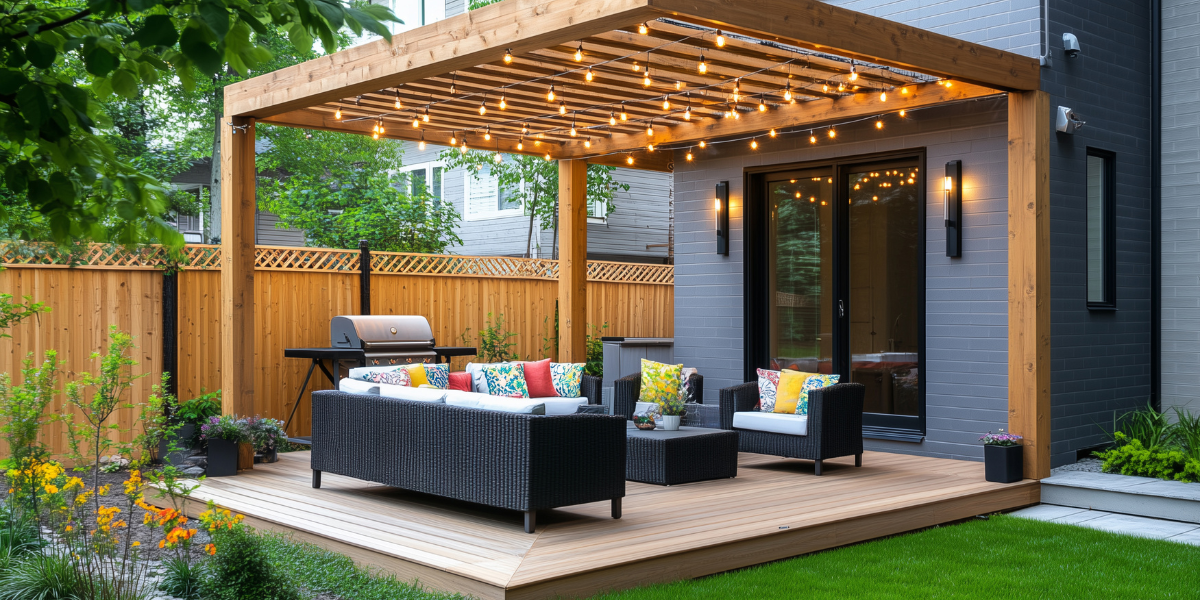
Your outdoor space deserves the same attention to design as your interior. With the right approach, modern landscape lighting can transform an ordinary yard into a stunning nighttime retreat extending usability, enhancing curb appeal, and adding a layer of security that feels anything but utilitarian. Whether you’re redesigning from scratch or upgrading what you have, these ideas will inspire you to think beyond the basic floodlight.
Why Modern Landscape Lighting Matters
Outdoor lighting has evolved far beyond its functional roots. Today, it is a genuine design discipline one that considers beam angles, color temperatures, fixture materials, and layering techniques with the same precision as interior lighting design.
When done well, modern landscape lighting achieves three things at once: it guides people safely through your property, it highlights the architectural and natural features you’re most proud of, and it creates an atmosphere that makes your outdoor space feel like a true extension of your home. Done poorly, it creates glare, wastes energy, and leaves your yard looking like a parking lot.
The difference lies in intentional design. Brite Nites builds every outdoor lighting project around that principle lighting that is purposeful, beautiful, and built to last.
Layering: The Foundation of Great Outdoor Lighting Design
The most important concept in modern landscape lighting is layering. Just as interior designers combine ambient, task, and accent lighting indoors, outdoor spaces benefit from the same multi-level approach.
Ambient lighting provides the overall glow think pathway lights, post lanterns, and low-voltage deck lighting that gives the space a general warmth after dark. Task lighting targets specific functional zones: the grill area, the steps, the entryway. Accent lighting is where the drama happens. Uplights trained on a sculptural oak tree, wall wash lights skimming across textured stone, or a subtle spotlight illuminating a water feature these are the details that elevate a yard from pleasant to extraordinary.
Resist the temptation to rely on a single type of fixture. Layering creates depth and dimension that a flat wash of light simply cannot achieve.
Top Modern Landscape Lighting Ideas
1. Uplighting Trees and Architectural Features
Uplighting is one of the most effective techniques in the modern landscape lighting toolkit. Placing low-profile fixtures at the base of a large tree and angling them upward creates dramatic silhouettes and draws the eye toward height and structure. The same technique works beautifully on columns, pergolas, and exterior walls. Use warm white LEDs (2700K–3000K) for a natural, inviting glow.
2. In-Ground and Hardscape Lighting
Recessed in-ground lights set flush into patios, driveways, or stepping stone paths create a sleek, contemporary look with virtually no visual clutter during the day. Hardscape lighting small fixtures integrated directly into retaining walls, steps, or raised planters adds both safety and sophistication. The effect is subtle but powerful, giving your outdoor surfaces a luminous quality that feels intentional and refined.
3. String Lights With a Modern Twist
String lights have shed their rustic, mason-jar image. Modern versions use globe LEDs with warm or neutral tones, suspended on stainless steel cables between minimalist posts or overhead structures. Hung above a dining terrace or lounge area, they create an intimate, restaurant-quality atmosphere. The key is tight spacing and consistent bulb size avoid the haphazard look of mismatched strands.
4. Path and Bollard Lighting
Pathway lighting has become a design feature in its own right. Contemporary bollard fixtures in matte black, brushed nickel, or weathered bronze add vertical interest while guiding foot traffic safely through the yard. Choose fixtures that cast light downward and outward, avoiding the upward glare that can wash out the surrounding landscape.
5. Color-Tunable and Smart Lighting
Smart outdoor lighting systems now allow homeowners to adjust color temperature, brightness, and even hue from a smartphone app. Warm amber tones set the mood for an evening gathering; cooler whites sharpen visibility for nighttime activities. Zoning your system so the front yard, pool area, and back garden operate independently gives you precise control without complexity. Motion-activated zones add a smart layer of security.
6. Water Feature and Pool Lighting
Submersible LED lights installed in ponds, fountains, and pools create an otherworldly shimmer that makes water the centerpiece of the nighttime garden. Pairing underwater lighting with strategically placed uplights on surrounding plantings creates a reflection effect that doubles the visual impact. For pools, cool white or soft blue tones tend to work best, giving the water a crisp, luxurious look.
Choosing the Right Color Temperature
Color temperature measured in Kelvins has an outsized effect on how your outdoor space feels at night. Warm white (2700K–3000K) is ideal for entertaining areas and garden beds, creating a cozy, inviting atmosphere. Neutral white (3500K–4000K) works well for driveways, security zones, and task areas where clarity matters more than ambiance. Avoid cool or daylight-range temperatures (5000K+) in residential landscape settings they read as harsh and industrial rather than welcoming.
Modern landscape lighting is one of the highest-return investments you can make in your property. It adds beauty, safety, and usable hours to your outdoor space turning a yard that disappears at dusk into one that comes alive after dark. The right design starts with the right partner and a clear vision for how you want your space to feel when the sun goes down.
Frequently Asked Questions
1. What is the best type of lighting for a modern landscape?
LED fixtures are the clear choice for modern landscapes. They are energy-efficient, long-lasting, available in a wide range of color temperatures, and compatible with smart controls. Low-voltage LED systems are especially popular for residential applications.
2. How many lumens do I need for landscape lighting?
Path and step lights typically need 100–200 lumens. Uplights for trees and focal points work best at 200–400 lumens. Security and floodlighting can range from 700–1300 lumens depending on the area covered.
3. Should landscape lighting be warm or cool white?
For most residential outdoor spaces, warm white (2700K–3000K) creates the most flattering and inviting atmosphere. Cool white is better reserved for security-focused areas like driveways or garage approaches.
4. Can I install landscape lighting myself?
Low-voltage landscape lighting systems are DIY-friendly and relatively safe to install. However, line-voltage (120V) systems, in-ground wiring, and smart-integrated setups are best handled by a licensed outdoor lighting professional to ensure safety and code compliance.
5. How do I keep outdoor lighting from looking over-lit or harsh?
Layer your lighting rather than relying on a single bright source. Choose fixtures that direct light downward or toward a specific target. Use dimmers and smart controls to reduce intensity when full brightness isn’t needed. Less is almost always more in landscape lighting design.
6. How long do landscape LED lights last?
Quality outdoor LED fixtures typically last 25,000 to 50,000 hours roughly 15 to 25 years of normal use. Choosing fixtures with proper IP ratings (waterproof and weather-resistant) ensures they hold up in outdoor conditions.