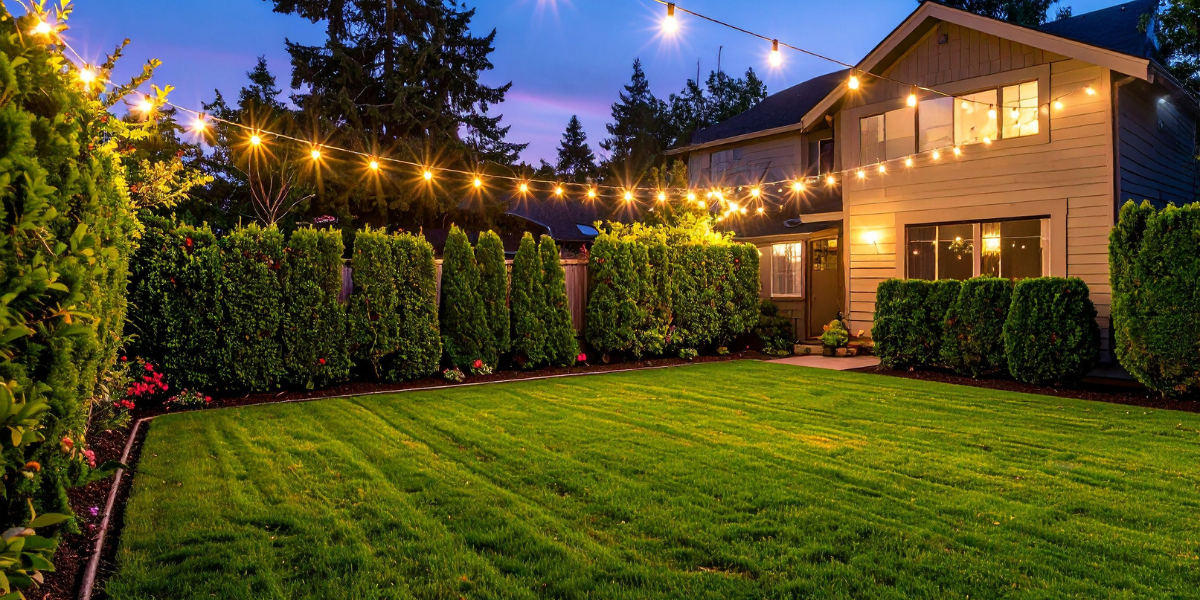
When the sun goes down, your outdoor space doesn’t have to disappear into the dark. Well-planned landscape lighting systems can transform any yard, garden, patio, or driveway into a stunning nighttime environment one that’s as functional as it is beautiful. Whether you’re looking to improve curb appeal, enhance security, or simply extend the hours you enjoy your outdoor living areas, the right lighting strategy makes all the difference.
This guide walks you through everything you need to know about modern landscape lighting systems from types and placement to smart controls and energy efficiency.
Why Landscape Lighting Systems Matter
Outdoor lighting does far more than illuminate a path. A thoughtfully designed system creates depth, drama, and dimension in your landscape after dark. It highlights your home’s architecture, draws attention to mature trees or garden features, and guides guests safely from the street to your front door.
Beyond aesthetics, landscape lighting systems play a direct role in home security. Well-lit exteriors deter trespassers, reduce blind spots, and give homeowners peace of mind. Motion-activated zones around entry points and dark corners add an extra layer of protection without constant energy draw.
From a real estate perspective, quality outdoor lighting consistently increases perceived property value. It signals that a home is well-maintained and thoughtfully designed — an impression that matters to buyers and neighbors alike.
Types of Landscape Lighting to Know
Understanding the different fixture types available helps you build a system that covers every need.
Path Lights are low-profile fixtures placed along walkways, driveways, and garden borders. They cast a soft downward glow that guides movement without creating harsh glare.
Spotlights and Uplights are directional fixtures used to accent specific features a statement tree, a stone wall, a water feature, or your home’s facade. Uplighting directed at tall trees creates a dramatic canopy effect, while cross-lighting on textured surfaces adds visual richness.
Floodlights cast a wide beam across larger areas like driveways, open lawns, or the perimeter of a property. They’re ideal for security applications and pair well with motion sensors.
Deck and Step Lights are recessed or surface-mounted fixtures integrated into outdoor living structures. They define edges, prevent trip hazards, and create a warm, inviting ambiance on patios and decks.
Well Lights are buried flush with the ground — nearly invisible during the day while projecting focused beams upward at night. They’re excellent for uplighting trees or architectural elements without visible hardware.
String Lights and Bistro Lighting add a relaxed, festive quality to pergolas, outdoor dining areas, and entertainment spaces — warm, versatile, and endlessly customizable.
Low-Voltage vs. Line-Voltage Systems
One of the most important decisions in planning landscape lighting systems is choosing between low-voltage (12V) and line-voltage (120V) setups.
Low-voltage systems are the most popular choice for residential landscapes — safer to install, easier to modify, and far more energy-efficient. Line-voltage systems run on standard household current, used for high-intensity or commercial applications, and always require a licensed electrician. For most homeowners, a professionally installed low-voltage system hits the sweet spot between performance, safety, and cost.
The Rise of Smart Landscape Lighting
Modern landscape lighting systems increasingly integrate with smart home platforms. Wi-Fi and Bluetooth-enabled controllers allow you to schedule lighting zones, adjust brightness, change color temperatures, and trigger scenes all from a smartphone or voice assistant.
Zoning lets you independently control front-yard path lights, backyard accent zones, security floodlights, and entertainment areas. Sunset-to-sunrise scheduling eliminates manual switching, while motion-triggered zones activate only when needed reducing energy waste significantly.
Energy Efficiency and LED Technology
The shift to LED fixtures has been transformative for landscape lighting systems. Modern LEDs consume up to 80% less energy than traditional halogen bulbs, last tens of thousands of hours longer, and produce significantly less heat reducing fire risk around dry mulch and plant material.
Color temperature matters when selecting LEDs. Warm white (2700K–3000K) creates a cozy atmosphere for residential gardens. Neutral white (3500K–4000K) offers a crisper look for contemporary architecture. Solar-powered fixtures have also improved dramatically for areas with good sun exposure.
Planning Your Outdoor Lighting Layout
Effective landscape lighting design layers three elements: ambient light across the space, task lighting along paths and stairs, and accent lighting to create visual interest. Avoid over-lighting the goal is contrast, pools of light and shadow that give the landscape depth and mystery.
At Brite Nites, professional outdoor lighting design follows exactly this layered approach ensuring every system is both functional and visually compelling for years to come.
Installation and Maintenance Tips
Bury low-voltage cables at least 6 inches deep, use waterproof wire connectors at every junction, and keep cables away from irrigation lines. Seasonally, check that fixtures haven’t shifted, clean lenses on path lights and spotlights, and update transformer timers after daylight saving time changes. A well-maintained system can deliver consistent performance for a decade or more.
Conclusion
A well-designed landscape lighting system is one of the most rewarding investments you can make in your property enhancing beauty, improving safety, and adding lasting value. Whether you’re starting from scratch or upgrading an existing setup, thoughtful planning pays dividends every evening for years to come.
Frequently Asked Questions About Landscape Lighting Systems
1. How much does a professional landscape lighting system cost? Basic systems for smaller yards may start around $1,500–$3,000, while comprehensive designs for larger properties can range from $5,000 to $15,000 or more. LED systems offer lower long-term operating costs that offset upfront investment over time.
2. Can I install landscape lighting myself? Low-voltage systems are DIY-friendly, but professional installation ensures optimal placement, correct transformer sizing, and a cohesive design that maximizes visual impact. For line-voltage systems, a licensed electrician is always required.
3. How long do LED landscape lighting fixtures last? Quality LED fixtures are rated for 25,000 to 50,000 hours often 15 to 25 years under normal conditions. This far exceeds halogen alternatives and dramatically reduces long-term maintenance costs.
4. Are solar landscape lights as effective as wired systems? Solar fixtures have improved significantly but still fall short in brightness, consistency, and reliability especially in shaded yards or cloudy climates. Wired low-voltage systems remain the preferred choice for professional-quality results.
5. How do I choose the right color temperature for landscape lighting? Warm white (2700K–3000K) is the most popular choice, creating a welcoming glow that flatters plants and architecture. Cooler temperatures can suit modern designs but should be used selectively too much cool light outdoors can feel sterile and uninviting.