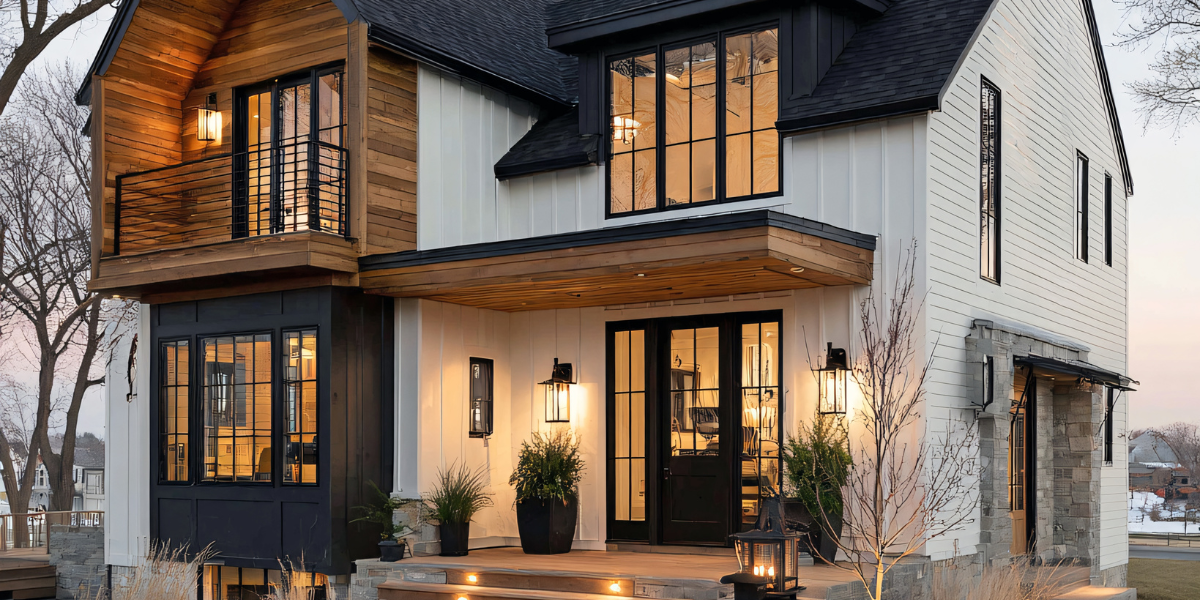
Home landscape lighting is one of the most effective ways to enhance the beauty, safety, and functionality of your outdoor space. Whether you want to highlight architectural features, illuminate walkways, or create a warm ambiance for evening gatherings, the right lighting design can completely transform your home’s exterior. For beginners, understanding the basics of home landscape lighting can feel overwhelming, but with the right guidance, it becomes a rewarding and impactful upgrade.
This complete guide walks you through everything you need to know from types of lighting to placement tips so you can make confident decisions for your outdoor space.
What Is Home Landscape Lighting?
Home landscape lighting refers to the strategic placement of outdoor lighting fixtures to enhance the visual appeal and usability of your yard, garden, pathways, and exterior structures. It combines aesthetics with functionality, helping homeowners improve curb appeal while also increasing nighttime visibility and security.
Unlike indoor lighting, outdoor lighting must withstand weather conditions and be carefully positioned to avoid glare, shadows, or uneven illumination.
Benefits of Home Landscape Lighting
Enhanced Curb Appeal
Well-designed lighting highlights your home’s best features, such as trees, garden beds, stonework, and architectural details. It adds depth and dimension that daytime landscaping alone cannot achieve.
Improved Safety and Security
Illuminated walkways, driveways, and entrances reduce the risk of trips and falls while also deterring unwanted visitors by eliminating dark areas around your property.
Extended Outdoor Living
With proper lighting, your outdoor spaces become usable long after sunset. Patios, decks, and gardens can be enjoyed during evenings for relaxation or entertaining.
Types of Home Landscape Lighting
Understanding the different lighting types helps you create a balanced and effective design.
Pathway Lighting
Path lights guide movement along walkways, driveways, and garden paths. They provide functional illumination while enhancing visual flow.
Accent Lighting
Accent lights are used to draw attention to focal points such as statues, fountains, trees, or textured walls.
Uplighting and Downlighting
Uplighting shines light upward to emphasize height and structure, while downlighting mimics natural moonlight by casting soft light downward from elevated positions.
Deck and Step Lighting
These lights improve safety around stairs, decks, and elevation changes while maintaining a subtle, elegant appearance.
Residential vs. Commercial Landscape Lighting
Residential Landscape Lighting focuses on comfort, style, and personal preference. It often emphasizes warm tones, subtle highlights, and cozy outdoor environments tailored to homeowners’ lifestyles.
Commercial Landscape Lighting, on the other hand, prioritizes visibility, brand presence, and safety for larger areas such as office buildings, retail spaces, and hospitality venues. While the principles are similar, commercial projects typically involve higher output fixtures and more complex designs.
Understanding this difference helps homeowners avoid over-lighting or using fixtures better suited for commercial properties.
Choosing the Right Fixtures and Bulbs
LED Lighting
LEDs are the most popular choice for home landscape lighting due to their energy efficiency, long lifespan, and minimal heat output. They also offer consistent brightness and color temperature.
Color Temperature
Warm white lighting (2700K–3000K) is ideal for residential spaces, creating a welcoming and natural look. Cooler tones may feel harsh if overused.
Durability and Weather Resistance
Always select fixtures rated for outdoor use. Materials like brass, copper, and powder-coated aluminum hold up well against the elements.
Planning Your Home Landscape Lighting Design
Start with a Lighting Plan
Before installation, walk around your property at night and identify dark areas, focal points, and functional zones. Less is often more—avoid over-lighting.
Layer Your Lighting
Use a combination of ambient, task, and accent lighting to create depth and balance rather than relying on a single type of fixture.
Focus on Subtlety
The goal is to highlight not overwhelm your landscape. Fixtures should blend into the environment during the day and create a soft glow at night.
Holiday Lighting and Seasonal Enhancements
Many homeowners complement their year-round lighting with holiday lighting services to celebrate seasonal events. These temporary installations add festive charm while maintaining safety and visual harmony with existing home landscape lighting.
Professionally designed seasonal lighting ensures consistent brightness, proper electrical setup, and easy installation and removal without damaging your property.
DIY vs. Professional Installation
While some basic lighting kits can be installed by homeowners, complex designs often benefit from professional expertise. Wiring, transformer sizing, and fixture placement require precision to avoid uneven lighting or electrical issues.
A professional provider like Brite Nites can help ensure your system is efficient, durable, and visually stunning while saving you time and long-term maintenance costs.
Maintenance Tips for Long-Lasting Performance
- Clean fixtures regularly to remove dirt and debris
- Check wiring connections seasonally
- Replace damaged fixtures promptly
- Adjust angles as plants grow or landscaping changes
Proper maintenance keeps your home landscape lighting performing beautifully year after year.
Final Tips for Beginners on Home Landscape LightingFinal Thoughts
Home landscape lighting is more than just an outdoor upgrade it’s an investment in safety, beauty, and lifestyle. By understanding lighting types, planning strategically, and choosing the right fixtures, beginners can create an outdoor environment that looks stunning every night of the year. Whether enhancing daily curb appeal or preparing for festive occasions, a thoughtful lighting design brings your landscape to life after dark.
FAQs About Home Landscape Lighting
1. How much does home landscape lighting typically cost?
Costs vary depending on the size of your property, fixture quality, and design complexity. Basic systems can be affordable, while custom designs cost more but offer better longevity and results.
2. Is LED lighting better for outdoor landscapes?
Yes, LED lighting is energy-efficient, long-lasting, and ideal for outdoor environments due to its durability and low maintenance requirements.
3. Can I install home landscape lighting myself?
Simple systems can be DIY-friendly, but professional installation is recommended for complex layouts, larger properties, or integrated lighting designs.
4. How does landscape lighting improve home security?
Proper lighting eliminates dark areas, increases visibility, and discourages trespassers by making your property less inviting for unwanted activity.
5. Can home landscape lighting be combined with holiday lighting services?
Absolutely. Many homeowners use permanent lighting as a foundation and add seasonal or holiday lighting services for festive enhancements.