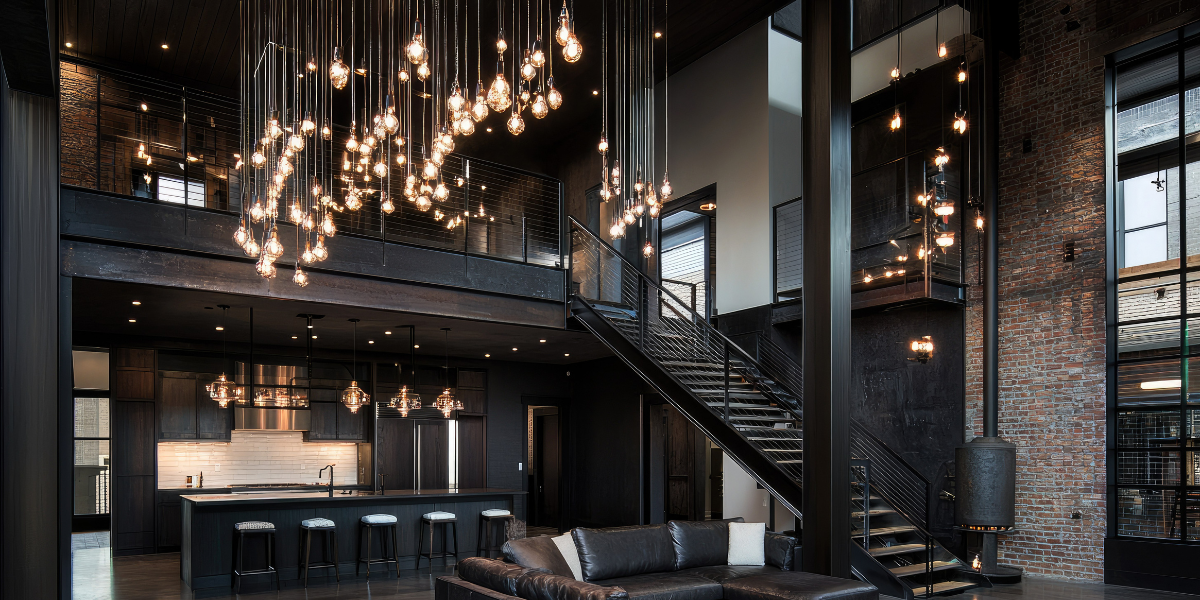
Lighting plays a critical role in how commercial spaces function and how customers and employees experience them. From retail stores and office buildings to hospitality venues and outdoor commercial areas, proper lighting improves visibility, safety, productivity, and aesthetics. That’s why commercial lighting design is an essential investment for modern businesses.
A well-designed lighting system goes beyond simply brightening a space. It creates atmosphere, improves energy efficiency, enhances customer experiences, and supports business operations. This comprehensive guide explains why commercial lighting design matters and how businesses can benefit from professional planning and installation.
What Is Commercial Lighting Design?
Commercial lighting design involves strategically planning and installing lighting systems that meet both functional and aesthetic needs within commercial environments. It considers factors such as space usage, customer experience, energy efficiency, and building architecture.
Rather than placing lights randomly, designers analyze how lighting affects:
- Employee productivity
- Customer behavior
- Safety and visibility
- Brand perception
- Energy consumption
- Overall atmosphere
The goal is to create lighting solutions that enhance operations while delivering visual appeal and efficiency.
Why Lighting Matters for Businesses
Lighting influences how people feel and behave in commercial spaces. Bright, harsh lighting can feel uncomfortable, while dim spaces may feel unsafe or uninviting. Proper lighting balances comfort and function.
Key benefits include:
- Improved employee productivity and comfort
- Enhanced customer shopping and dining experiences
- Increased safety and security
- Stronger brand image
- Lower energy costs
Businesses that invest in professional lighting design often notice improved customer satisfaction and employee performance.
Types of Commercial Lighting
Effective commercial lighting design uses different types of lighting to serve specific purposes.
Ambient Lighting
Ambient lighting provides general illumination for a space. It ensures employees and customers can move comfortably throughout the environment.
Examples include ceiling fixtures, recessed lights, and large overhead lighting systems.
Task Lighting
Task lighting focuses on specific areas where activities occur, such as workstations, checkout counters, or kitchens.
Proper task lighting reduces eye strain and increases efficiency in areas requiring concentration.
Accent Lighting
Accent lighting highlights features such as products, artwork, architectural elements, or displays. Retail stores often use accent lighting to draw attention to merchandise.
Outdoor and Landscape Lighting
Exterior lighting improves safety while enhancing curb appeal. Parking lots, pathways, entrances, and building exteriors benefit from well-designed lighting solutions.
Outdoor lighting also makes businesses more visible at night, attracting customers and improving security.
Energy Efficiency and Cost Savings
Energy consumption is a significant operational expense for commercial properties. Older lighting systems can dramatically increase electricity costs.
Modern commercial lighting design typically incorporates LED technology, offering:
- Reduced energy usage
- Longer fixture lifespan
- Lower maintenance costs
- Better light quality
- Reduced environmental impact
Smart lighting controls further improve efficiency by allowing businesses to adjust lighting schedules, brightness levels, and automation features.
Although upgrades may require upfront investment, long-term savings often justify the cost.
Enhancing Customer Experience
Lighting strongly influences customer behavior. For example, warm lighting in restaurants creates a relaxed atmosphere, while bright retail lighting makes products more appealing.
Lighting can guide customers through a space, highlight promotions, or create inviting environments that encourage longer visits.
Well-lit environments also help customers feel comfortable and safe, increasing the likelihood of repeat visits.
Businesses that invest in thoughtful lighting design often see improvements in customer satisfaction and engagement.
Improving Employee Productivity
Employees spend many hours under artificial lighting. Poor lighting can cause eye strain, fatigue, and discomfort, affecting productivity.
Professional lighting design helps create comfortable work environments by reducing glare, improving brightness balance, and supporting natural circadian rhythms.
Office spaces benefit from lighting that mimics natural daylight, while warehouses require bright, uniform lighting for safety and efficiency.
Well-lit workplaces lead to happier, more productive employees.
Safety and Security Considerations
Safety is critical in commercial environments. Poor lighting increases the risk of accidents and creates opportunities for criminal activity.
Proper lighting design ensures:
- Well-lit entrances and exits
- Safe parking lots and walkways
- Emergency lighting compliance
- Reduced shadows and dark areas
- Improved camera visibility
Lighting also improves employee and customer confidence when entering or leaving buildings after dark.
Security lighting acts as a deterrent by removing concealment areas around properties.
Custom Lighting Solutions for Businesses
Each business has unique lighting requirements depending on industry, building layout, and branding goals.
Professional lighting designers consider factors such as:
- Ceiling heights and building architecture
- Interior layout and furniture placement
- Outdoor landscaping
- Customer flow patterns
- Brand style and atmosphere goals
Companies like Brite Nites work with businesses to develop tailored lighting plans that balance functionality, aesthetics, and energy efficiency.
Customized solutions ensure lighting enhances both operations and visual appeal.
Smart Lighting and Automation
Modern commercial lighting systems often include automation features that improve convenience and efficiency.
Examples include:
- Motion sensors
- Timers and scheduling controls
- Dimming systems
- Remote smartphone controls
- Daylight sensors
Smart systems allow businesses to manage lighting automatically, reducing energy waste and maintenance costs.
Automation also ensures consistent lighting performance throughout business hours.
Maintenance and Longevity
Commercial lighting systems must operate reliably for extended periods. Professional installation ensures durability and easier maintenance over time.
Quality fixtures and proper wiring reduce repair frequency and prevent disruptions to business operations.
Regular maintenance ensures lighting continues to perform efficiently while preserving appearance and safety.
Why Investing in Commercial Lighting Design Pays OffConclusion
Commercial lighting design is more than an aesthetic choice—it is a strategic investment that affects productivity, customer experience, safety, and operational efficiency.
Businesses that invest in professional lighting benefit from improved atmosphere, reduced energy costs, enhanced security, and better overall performance.
By carefully planning lighting systems and working with experienced professionals, businesses can create inviting, functional, and efficient environments that support long-term success.
Lighting influences how customers and employees experience your space every day, making thoughtful design essential for modern commercial properties.
FAQs About Commercial Lighting Design
1. What is the main goal of commercial lighting design?
The goal is to create functional, efficient, and visually appealing lighting that supports business operations and customer experiences.
2. Can upgrading lighting reduce energy costs?
Yes. LED systems and smart controls significantly reduce energy consumption compared to older lighting technologies.
3. How long does commercial lighting installation take?
Project timelines vary depending on building size and complexity but typically range from a few days to several weeks.
4. Does lighting affect customer behavior?
Yes. Lighting influences mood, comfort, and purchasing behavior in commercial environments.
5. Can lighting systems be automated?
Yes. Many modern systems include automation features such as timers, sensors, and remote controls for improved efficiency.