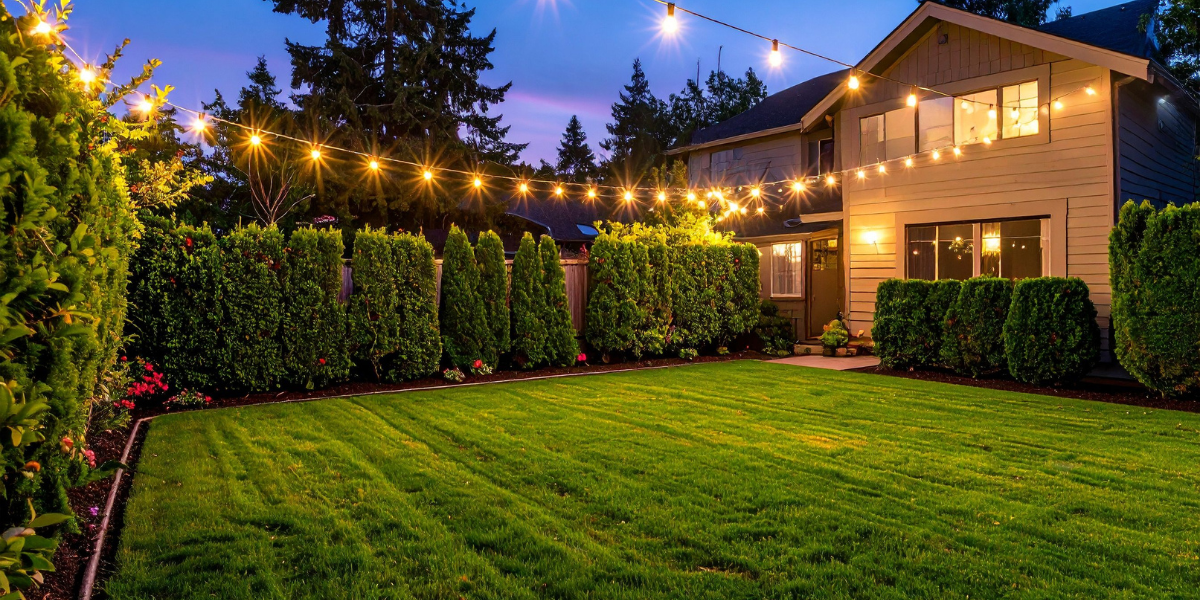
First impressions matter and for businesses, they start before a customer ever walks through the door. The moment someone pulls into your parking lot or approaches your entrance after dark, the quality of your outdoor lighting speaks volumes about your brand. Commercial landscape lighting is no longer just a practical afterthought; it has become an essential investment that balances safety, security, and stunning visual appeal in equal measure.
Whether you manage a retail center, office complex, restaurant, hotel, or multi-family property, the right outdoor lighting strategy can transform how your propert is perceived and how safely people navigate it.
Why Commercial Landscape Lighting Is a Smart Investment
The business case for investing in quality commercial landscape lighting is stronger than many property owners realize. Well-designed lighting does several things at once: it deters crime, reduces liability, guides foot traffic, and reinforces brand identity all while making your property genuinely beautiful after sunset.
Properties with poor or insufficient outdoor lighting are statistically more likely to experience slip-and-fall accidents, vandalism, and unauthorized access. On the flip side, studies consistently show that well-lit commercial properties attract more customers, retain tenants at higher rates, and command stronger property values. When evening foot traffic or drive-by visibility matters to your business, commercial landscape lighting becomes a direct revenue driver.
Safety First: How Lighting Protects Your Property and People
The most fundamental role of commercial landscape lighting is safety. Paths, parking lots, stairways, and building entrances all require consistent, well-positioned illumination to ensure that employees, customers, and visitors can move through your property without risk.
Pathway lighting eliminates tripping hazards along walkways and garden borders, while parking lot fixtures ensure that vehicles and pedestrians can coexist safely after dark. Security lighting particularly motion-activated or strategically placed flood lights discourages loitering and criminal activity by eliminating dark corners and blind spots.
Building perimeter lighting is equally important. Illuminating the facades, entryways, and signage of your facility ensures that your property is clearly visible and identifiable, reducing confusion for first-time visitors while enhancing the overall sense of security for everyone on site.
Smart lighting systems take safety a step further by allowing facility managers to automate lighting schedules, adjust intensity based on ambient conditions, and monitor systems remotely. Dusk-to-dawn sensors ensure lights are always on when they need to be, without wasting energy during daylight hours.
Curb Appeal: Making a Statement After Dark
Beyond safety, commercial landscape lighting is one of the most powerful tools for creating a memorable visual identity. A thoughtfully lit property doesn’t just look attractive it signals professionalism, attention to detail, and pride in the space.
Uplighting trees and architectural features creates dramatic focal points that draw the eye and add dimension to an otherwise flat nighttime silhouette. Accent lighting along garden beds, water features, and entry monuments adds layers of warmth and texture. Facade lighting highlights the best architectural elements of your building, reinforcing your brand presence even when your doors are closed.
For hospitality and retail businesses especially, curb appeal after dark is everything. Customers make split-second decisions about whether a place feels welcoming and worth entering. The right commercial landscape lighting design creates an emotional pull an ambiance that invites people in and makes them feel good before they’ve spoken to a single employee.
Color temperature plays a crucial role here. Warm white tones (2700K–3000K) create an inviting, intimate atmosphere ideal for restaurants, boutique hotels, and upscale retail. Cooler whites (4000K–5000K) project a clean, professional energy suited to medical offices, corporate campuses, and modern commercial complexes. A skilled lighting designer will select the right temperatures to align with your brand’s personality.
Choosing the Right Fixtures for Commercial Applications
Commercial landscape lighting demands fixtures built for durability and performance. Unlike residential-grade products, commercial fixtures must withstand heavy use, extreme weather, and constant operation. Look for LED systems with high IP (Ingress Protection) ratings, corrosion-resistant materials, and warranties that reflect confidence in long-term performance.
LED technology has made commercial landscape lighting more cost-effective than ever. Modern LEDs consume a fraction of the energy of traditional halogen or metal halide systems, dramatically reducing operating costs over time. They also last significantly longer often 50,000 hours or more meaning fewer replacements, less maintenance, and a lower total cost of ownership.
Professional Design and Installation Makes All the Difference
It’s tempting to approach commercial landscape lighting as a simple product purchase, but the reality is that great results come from great design. The placement, angle, beam spread, and layering of light sources all interact to create either a cohesive, beautiful environment or a patchy, amateur-looking one.
Professional lighting designers conduct thorough site assessments, create photometric plans, and account for how the lighting will evolve across seasons and weather conditions. They also understand how to conceal wiring cleanly, integrate smart controls, and ensure that every fixture serves both a functional and aesthetic purpose.
Brite Nites brings over three decades of experience to commercial landscape lighting projects nationwide, combining architectural expertise with a commitment to long-term client support including ongoing maintenance to keep every system performing flawlessly year after year.
Maintenance: Keeping Your Lighting at Its Best
Even the best commercial landscape lighting system requires periodic attention. Bulbs dim over time, fixtures can shift or become obscured by plant growth, and seasonal changes affect how light interacts with the landscape. A professional maintenance program ensures that your system always performs as designed.
Regular inspections, cleaning, re-aiming of fixtures, and system updates keep your property looking its best and operating safely. Proactive maintenance also catches small issues before they become costly repairs.
Frequently Asked Questions About Commercial Landscape Lighting
1. What types of fixtures are best for commercial landscape lighting?
LED fixtures are the gold standard for commercial applications. They offer superior energy efficiency, exceptional longevity, and consistent light output. For specific applications, options include ground-mounted uplights, bollard pathway lights, wall-mounted sconces, flood lights, and in-ground well lights each serving a distinct aesthetic and functional purpose.
2. How much does commercial landscape lighting typically cost?
Costs vary widely depending on property size, the number of fixtures, fixture quality, and design complexity. Small commercial properties might invest a few thousand dollars, while large campuses or hospitality venues with elaborate designs can invest significantly more. The return on investment through increased property value, tenant retention, and customer attraction typically justifies the upfront cost.
3. Can commercial landscape lighting be integrated with smart building systems?
Yes. Modern commercial landscape lighting systems can integrate with smart building automation platforms, allowing centralized control of scheduling, dimming, motion activation, and energy monitoring. Many systems are also controllable via mobile apps, giving facilities managers real-time oversight from anywhere.
4. How does proper lighting reduce liability for commercial properties?
Adequate lighting minimizes the risk of slip-and-fall accidents on pathways, stairs, and parking lots one of the most common sources of premises liability claims for commercial property owners. Well-lit properties also deter criminal activity, reducing the likelihood of incidents that could expose businesses to legal liability.
5. What is the lifespan of a commercial landscape lighting system?
High-quality LED commercial landscape lighting fixtures typically last 50,000 hours or more. For a property operating its lights 10–12 hours per night, that translates to well over a decade of reliable service before significant replacements are needed. Fixtures and control systems may be upgraded over time to take advantage of advances in technology.
6. How often should commercial landscape lighting systems be professionally maintained?
Most commercial properties benefit from professional inspections and maintenance at least twice a year typically in spring and fall. Maintenance visits typically include cleaning fixtures, re-aiming lights that have shifted, replacing any failed components, adjusting timer schedules, and assessing the overall health of the system. Properties in harsh climates or with heavy landscaping may benefit from more frequent service.